This 50-mile coastline is dotted by hundreds of battle-site markers, random statues, small museums and beachfront fortifications.
The invasion of Normandy was a crucial milestone during World War II, in the fight against Nazi Germany. It was a large-scale operation led by the Allies, with the aim of liberating Europe. On June 6, 1944, commonly known as D-Day, thousands of American, British and Canadian soldiers made the perilous crossing of the English Channel. The beaches of Normandy were pre-divided into different sections and given code names. The American troops landed on Utah Beach and Omaha Beach in Normandy, France.
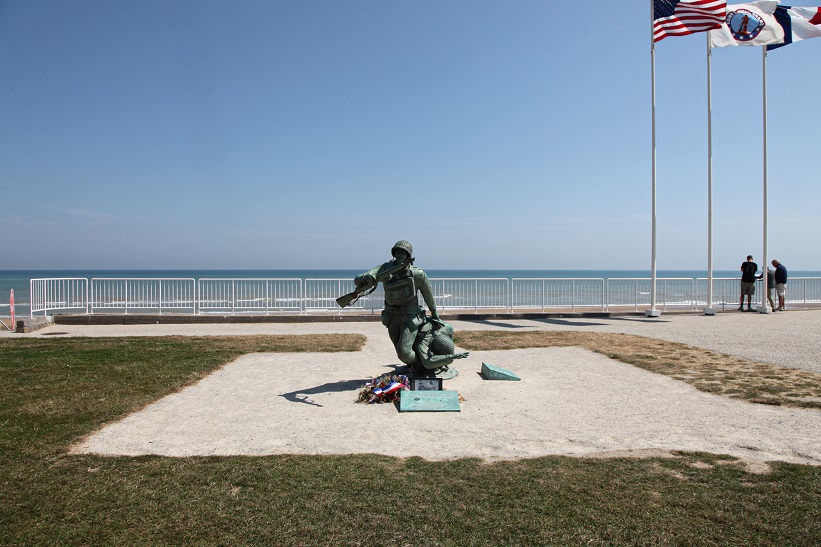

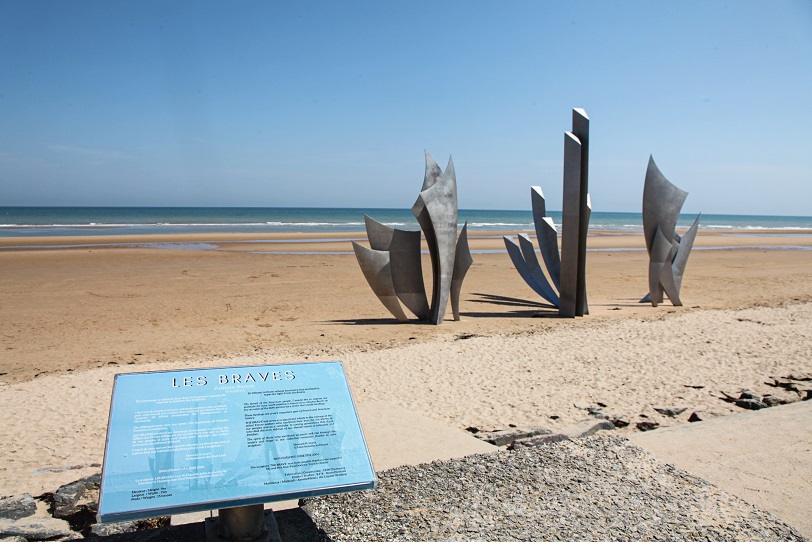
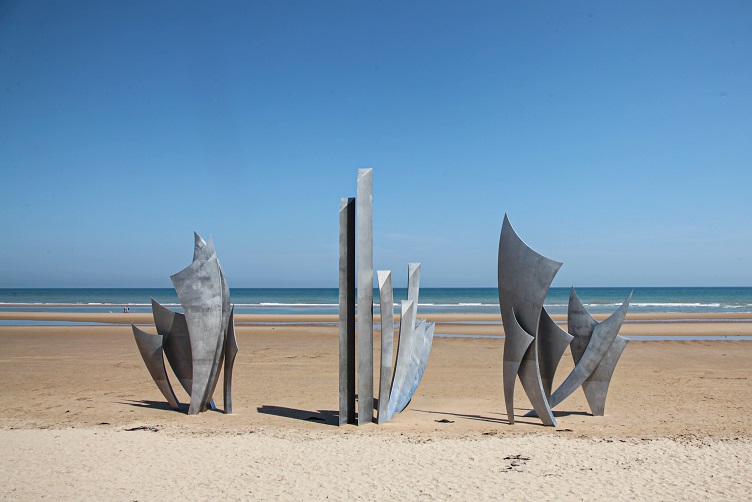
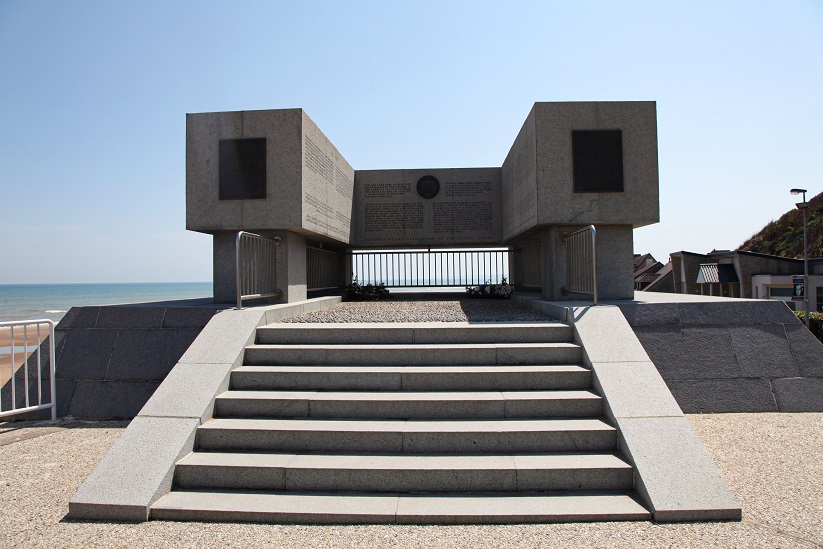

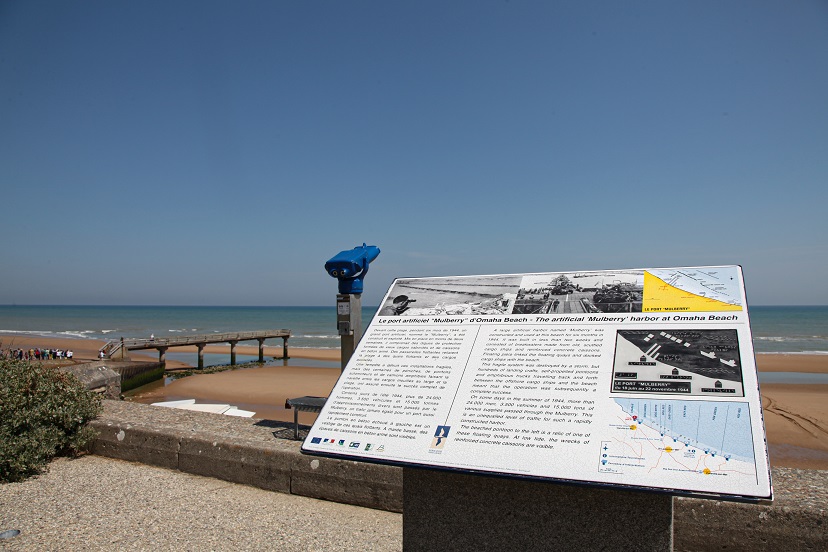
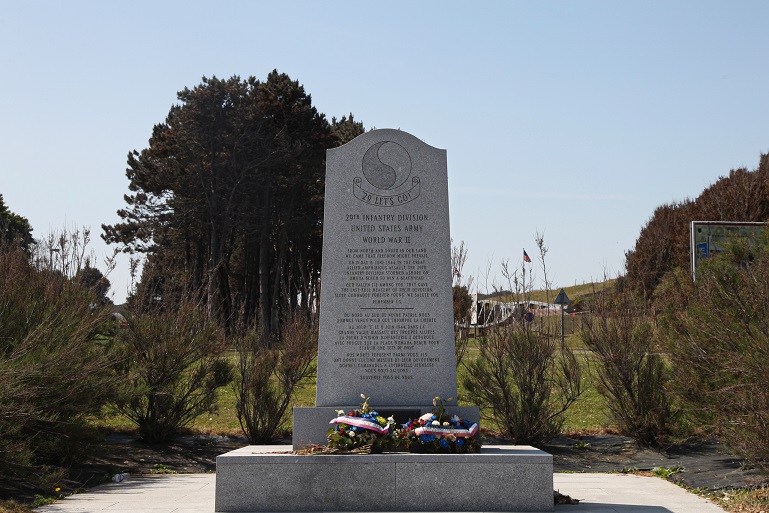
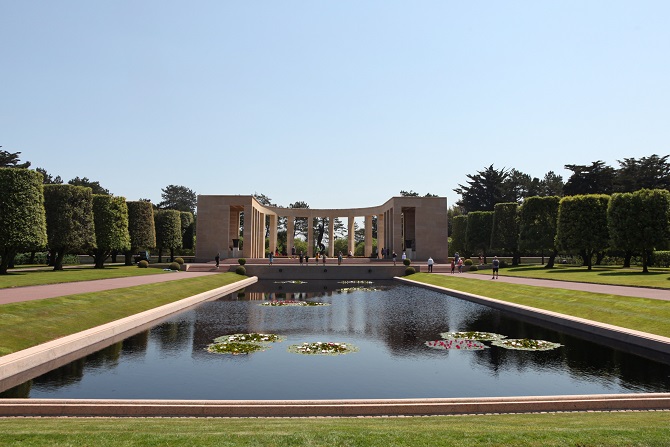
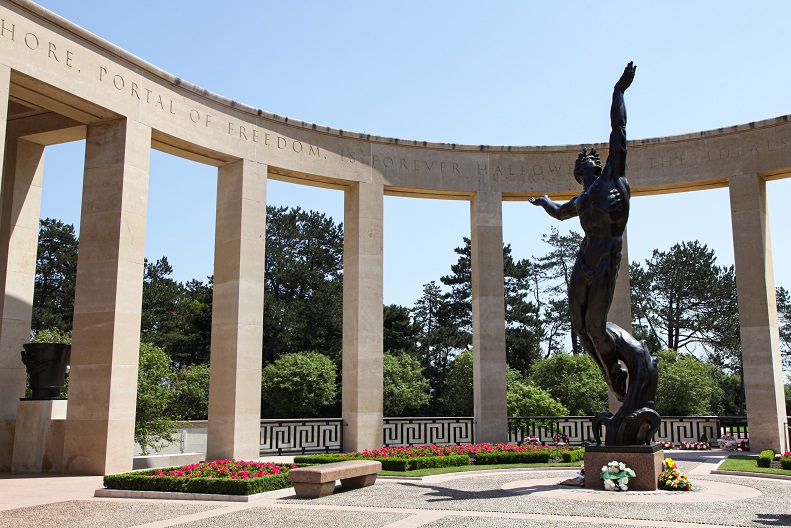
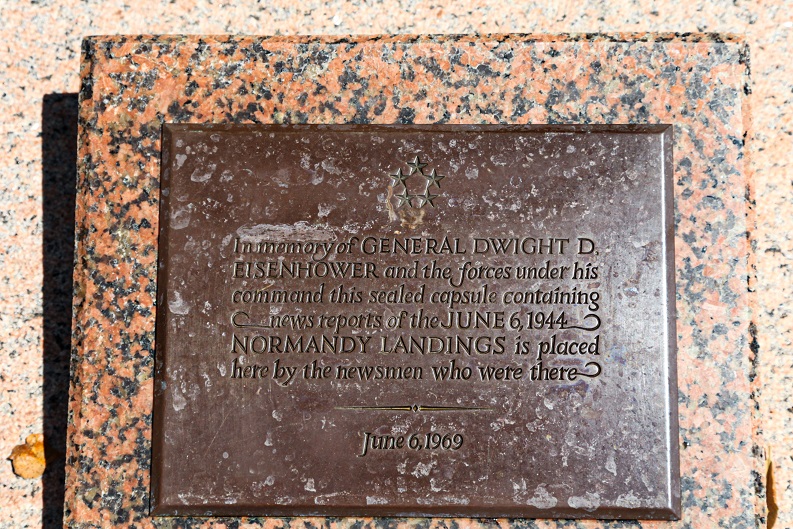
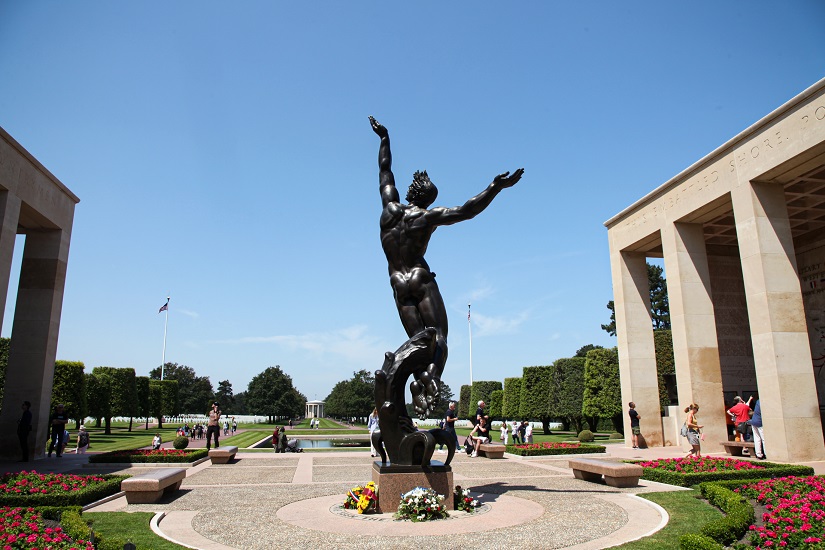
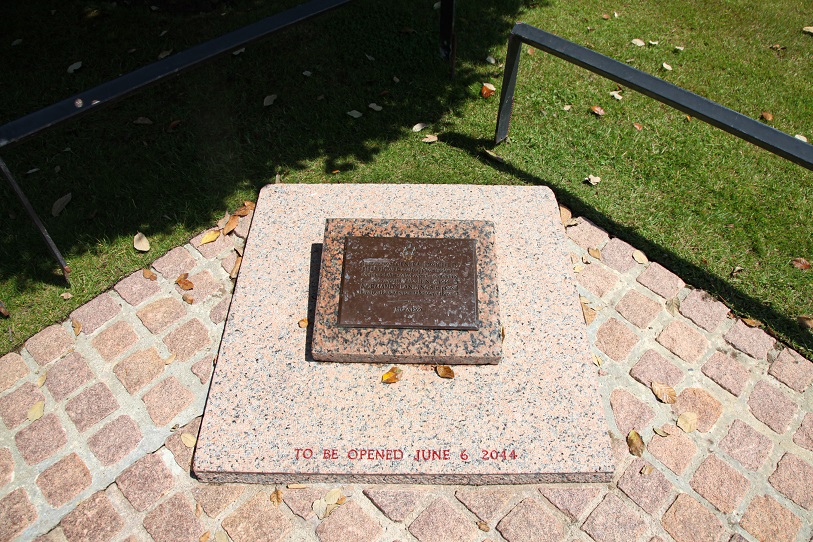
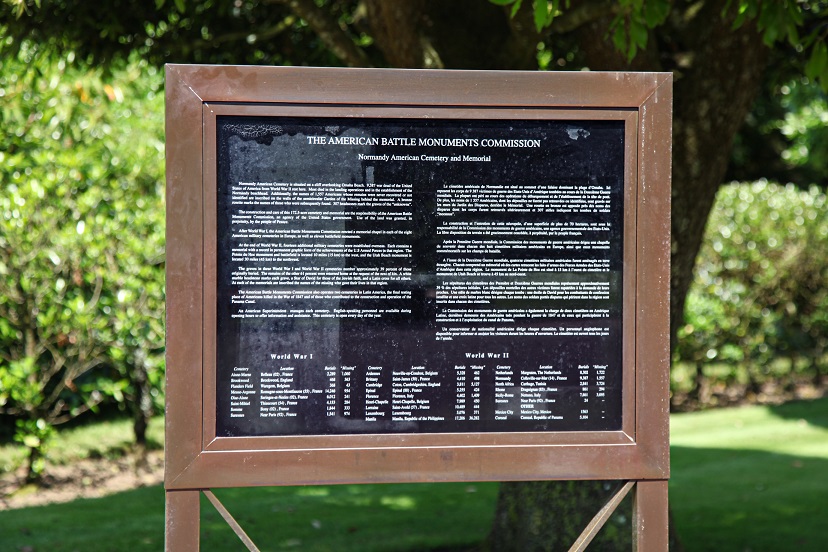
The Normandy American Cemetery and Memorial was established to honor the American soldiers , located on a cliff in Colleville-sur-Mer, overlooking Omaha Beach.
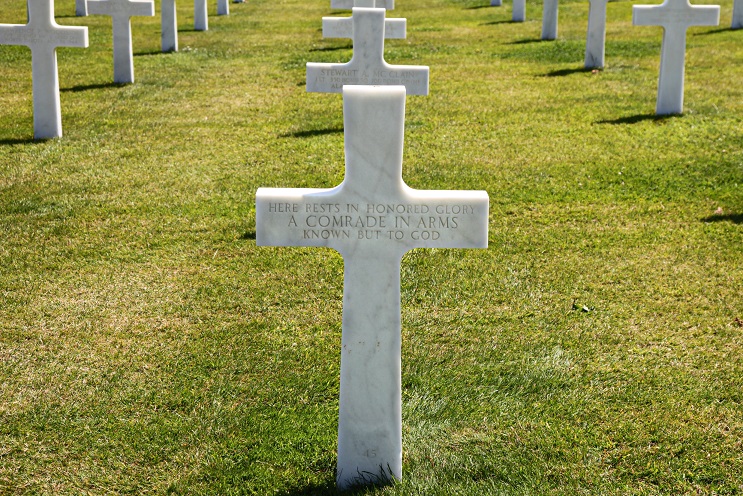
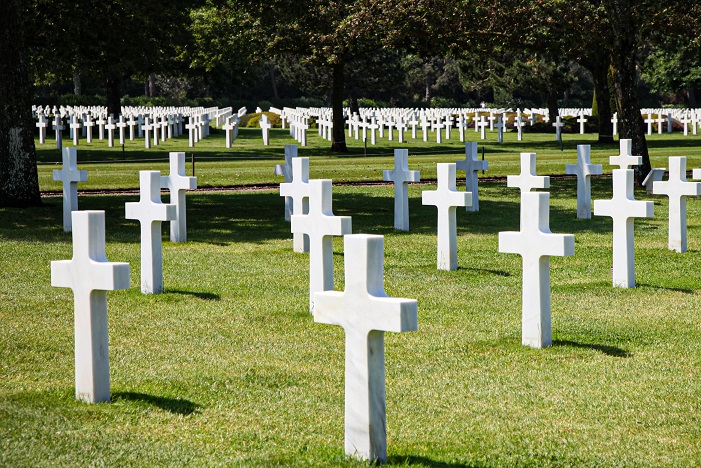
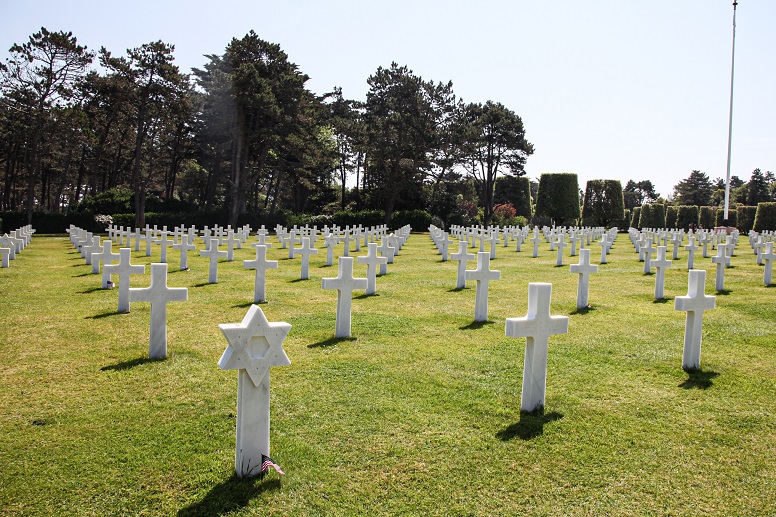
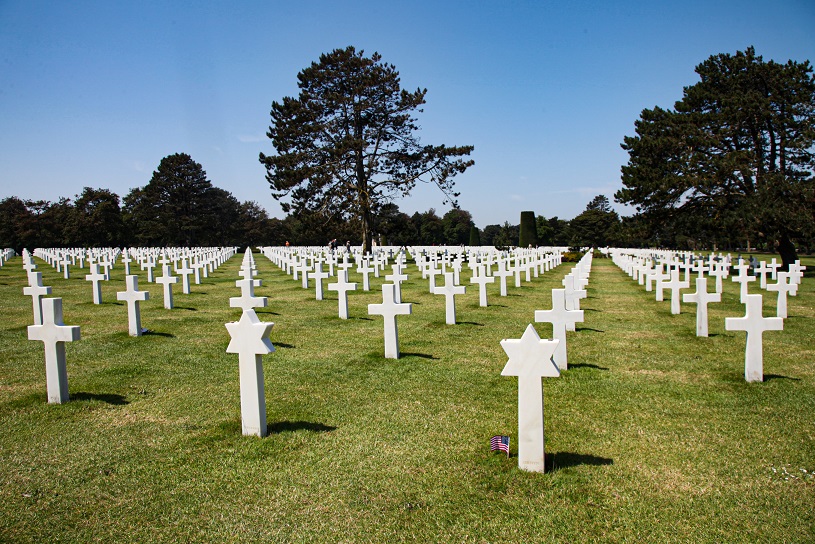
The impressive 70-hectare memorial cemetery was opened in 1956. The place is designed with a sense of reverence and serenity, with rows of white crosses and Stars of David aligned dead straight on a beautiful green lawn. Every cross and every Star of David represents a hero who gave his life for the freedom of Europe. A total of 9388 American soldiers are now buried at Normandy American Cemetery.
There are 26 military cemeteries representing all nations across Normandy, but the most famous and visited overseas military cemetery in the world is the Normandy American Cemetery in Colleville-sur-Mer.



Useful information:
Normandy American Cemetery
Omaha Beach, 14710 Colleville-sur-Mer
Free of charge
Opening hours:
9am-6pm (mid-April to mid-September)
Flag lowering at 4pm
9am to 5pm (mid-September to mid-April)
Flag lowering at 5 pm
There is a large car park on site.
 Ebru van der Ploeg